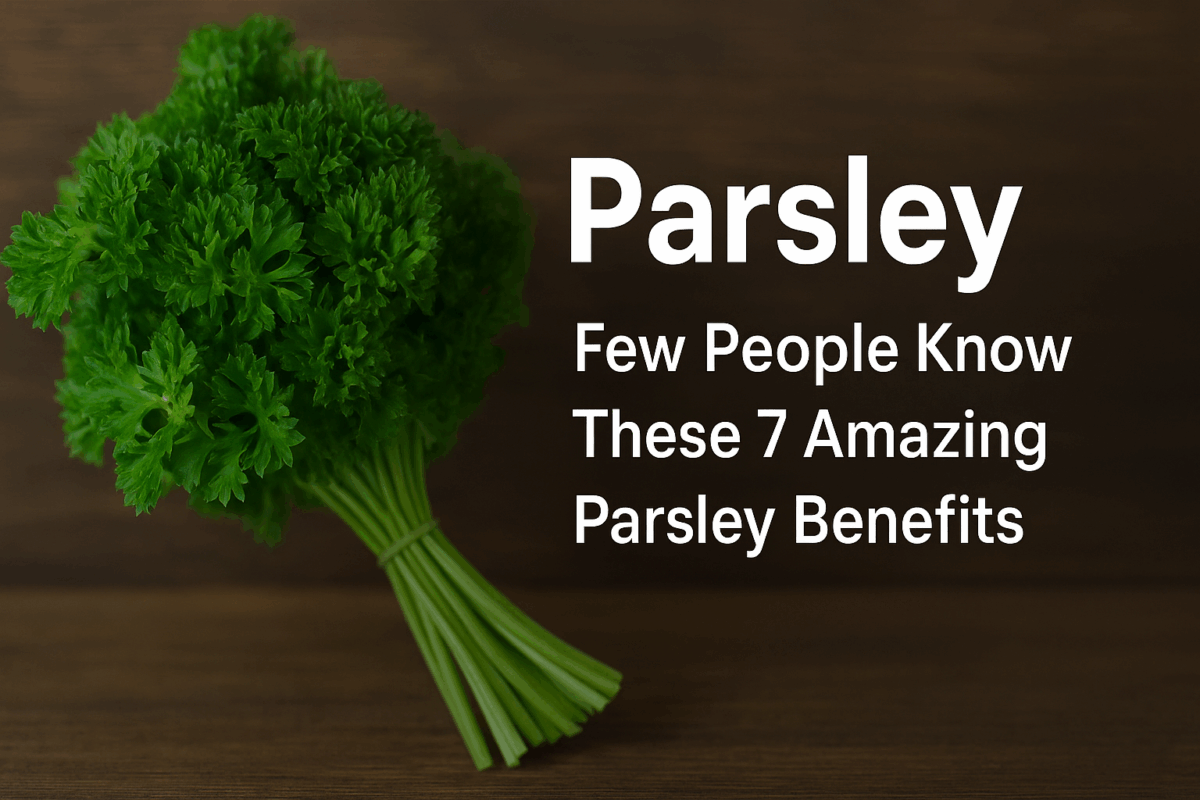
Parsley (Petroselinum crispum): Few People Know These 7 Amazing Parsley Benefits
Parsley (Petroselinum crispum): Few People Know These 7 Amazing Parsley BenefitsIntroduction
Did you know that parsley, often relegated to a mere garnish, is a powerhouse of nutrients and medicinal properties? This humble herb boasts a rich history in both culinary and traditional medicine, offering a plethora of health benefits supported by scientific research. Let’s delve into the remarkable attributes of parsley and how it can enhance your well-being.
Overview of Parsley
Common Names: Parsley, Garden Parsley
Scientific Name: Petroselinum crispum
Family: Apiaceae
Distribution: Native to the central and eastern Mediterranean region; widely cultivated globally
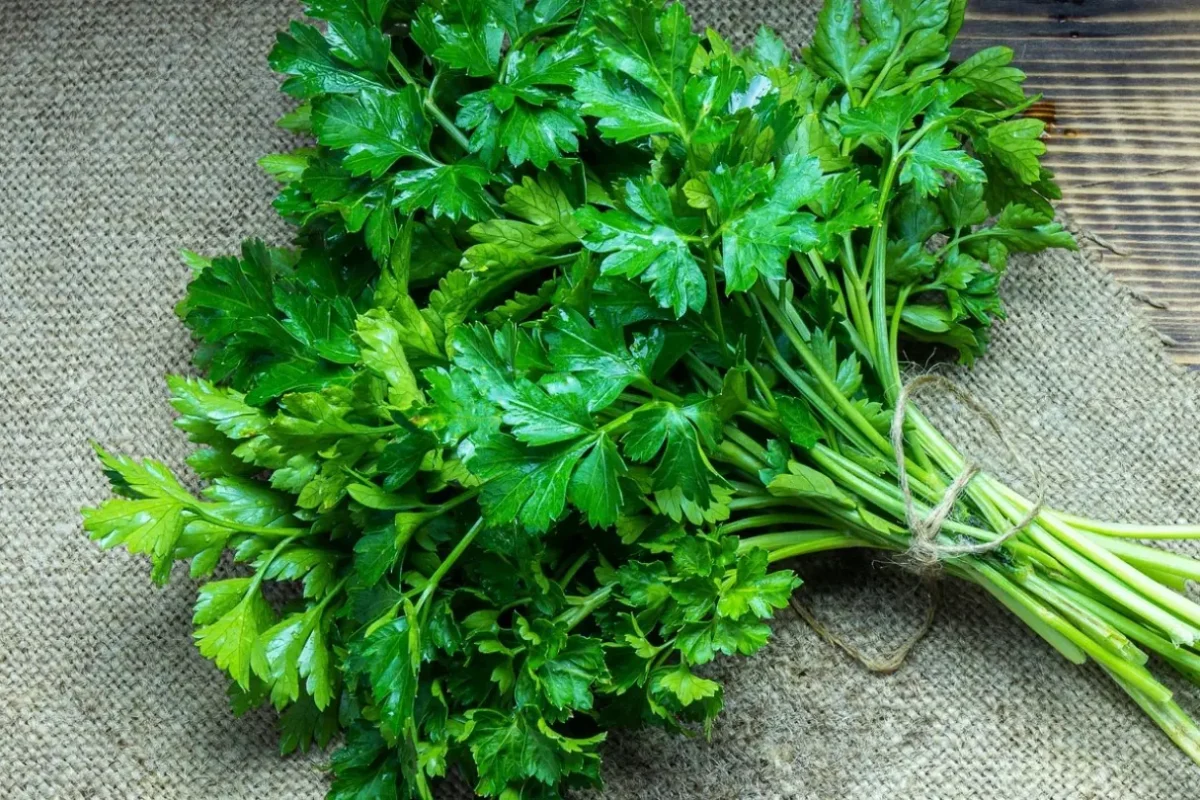
Botanical Description: Parsley is a biennial plant characterized by bright green, feather-like leaves. It produces small greenish-yellow flowers arranged in umbels during its second year.
Wild Habitat: In the wild, parsley thrives in moist, well-drained soils, often found in meadows and along riverbanks in its native regions.
Cultivation: Parsley is well-suited for garden cultivation. It prefers full sun to partial shade and requires regular watering. The plant can be grown from seeds, with germination taking up to six weeks.
Key Active Compounds
Parsley contains a variety of bioactive compounds contributing to its health benefits:
Apigenin: A flavonoid with anti-inflammatory, antioxidant, and anticancer properties. It also exhibits neuroprotective effects.
Apiin: A glycoside of apigenin, contributing to the plant’s antioxidant activity.
Myristicin: Found in parsley’s essential oil, it has been studied for its potential neuroprotective and anticancer effects.
Apiol: An essential oil component with diuretic and antimicrobial properties.
Luteolin: A flavonoid known for its antioxidant and anti-inflammatory effects.
Coumarins: Compounds that may contribute to parsley’s anticoagulant properties.
Source: ScienceDirectHealth Benefits in Modern and Traditional MedicineModern Medicine
Antioxidant Properties: Parsley is rich in antioxidants like flavonoids and vitamin C, which help combat oxidative stress and reduce the risk of chronic diseases.
Anti-inflammatory Effects: Compounds such as apigenin and luteolin contribute to parsley’s ability to reduce inflammation.
Diuretic Action: Parsley promotes urine production, aiding in the elimination of excess fluids and toxins.
Blood Sugar Regulation: Studies suggest that parsley may help lower blood glucose levels, beneficial for managing diabetes.
Bone Health: High vitamin K content supports bone mineralization and strength.
Taste and Nature: Parsley is considered to have a slightly bitter and pungent taste, with a warming nature.
Meridian Channels: Traditionally believed to affect the bladder and kidney meridians.
Traditional Uses: Employed to treat urinary tract infections, kidney stones, digestive issues, and to stimulate menstruation.
Applications
Parsley is utilized for various health conditions:
Urinary Tract Health: Its diuretic properties help flush out pathogens, supporting urinary tract health.
Kidney Stones: By increasing urine output, parsley may assist in preventing the formation of kidney stones.
Digestive Aid: Parsley can alleviate bloating and indigestion.
Menstrual Support: Traditionally used to regulate menstrual cycles and alleviate cramps.
Skin Health: Applied topically or consumed to promote clear skin due to its antioxidant content.
Safe Usage and Recommended DosageCommon Usage Forms
Fresh Leaves: Used in salads, juices, or as a garnish.
Dried Leaves: Incorporated into teas or as a seasoning.
Extracts: Available in capsule or liquid form for concentrated doses.
Recommended Dosage
Fresh Parsley: 1/4 cup (approximately 15 grams) daily.
Parsley Tea: Steep 2 teaspoons of dried parsley in hot water for 10 minutes; consume up to twice daily.
Extracts: Follow manufacturer guidelines, typically 500 mg once or twice daily.
Usage Precautions
Pregnancy: High doses may stimulate uterine contractions; consult a healthcare provider before use.
Kidney Disorders: Diuretic effects may exacerbate certain conditions; use cautiously.
Medication Interactions: High vitamin K content can interfere with blood-thinning medications.
Comparison with Other Herbs
Herb Name
Main Benefit
Key Highlights
Parsley
Diuretic and antioxidant
Supports urinary health and reduces oxidative stress
Dandelion
Liver detoxification
Promotes bile production and acts as a mild laxative
Cilantro
Heavy metal detoxification
Binds to heavy metals, aiding in their removal from the body
Frequently Asked Questions (FAQ)
Q1: Can parsley help with bad breath?
A: Yes, parsley contains chlorophyll, which has deodorizing properties that can help neutralize bad breath.
Q2: Is parsley safe for daily consumption?
A: In moderate amounts, such as those used in cooking, parsley is safe for daily consumption. However, excessive intake, especially of concentrated extracts, should be avoided without medical supervision.
Conclusion
Parsley is more than just a culinary herb; it’s a nutrient-rich plant with a variety of health benefits. Incorporating parsley into your diet can support urinary health, provide antioxidant protection, and contribute to overall well-being. As with any supplement or herb, it’s essential to use parsley responsibly and consult with a healthcare provider if you have any underlying health conditions.
Call to Action
Interested in enhancing your health naturally? Contact us today for a free consultation and discover how parsley and other herbs can benefit you!



Leave a comment