
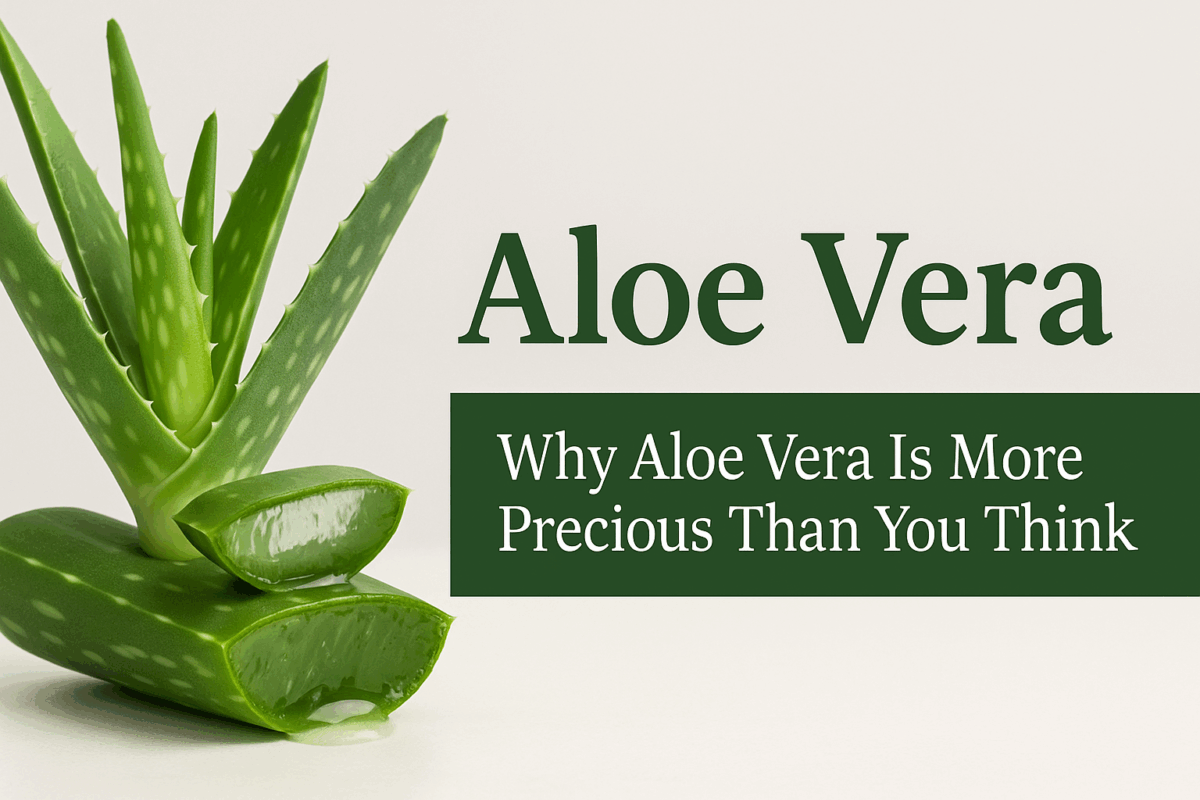
Aloe Vera: 5 Golden Uses of Aloe Vera You Didn’t Know About
Introduction
Did you know that Aloe vera, often called the “plant of immortality” by ancient Egyptians, is more than just a sunburn soother? This succulent has been revered for centuries for its healing properties and is now recognized by modern science for its myriad health benefits. In this article, we delve into the scientifically-backed advantages and proper usage of Aloe vera.Overview of Aloe Vera
- Common Name(s): Aloe Vera, True Aloe, Burn Plant
- Scientific Name: Aloe barbadensis Miller
- Family: Asphodelaceae
- Distribution: Native to the Arabian Peninsula; cultivated worldwide in tropical and subtropical regions
- Botanical Description: Aloe vera is a stemless or short-stemmed plant growing up to 60–100 cm tall, with thick, fleshy, green to grey-green leaves. The leaves are serrated and contain a clear gel.
- Where to Find in the Wild: In arid regions, particularly in North Africa, the Canary Islands, and parts of Asia
- Can I Grow It in My Garden?: Yes, Aloe vera thrives in well-drained soil with plenty of sunlight. It’s suitable for both outdoor gardens in warm climates and indoor pots.(Wikipedia, Health, Herbal Reality, Vogue, Healthline)
Key Active Compounds
Aloe vera contains several bioactive compounds, including:- Acemannan: A polysaccharide known for its immunomodulatory and wound-healing properties.
- Aloin (Barbaloin): An anthraquinone with laxative effects, found in the yellow latex of the leaf.
- Aloe-emodin: An anthraquinone derivative with anti-inflammatory and antimicrobial activities.
- Vitamins and Minerals: Includes vitamins A, C, E, B12, folic acid, and minerals like calcium, magnesium, and zinc.
- Enzymes: Such as amylase and lipase, which aid in digestion.
- Saponins: Provide cleansing and antiseptic properties.
- Salicylic Acid: Offers anti-inflammatory and antibacterial effects.(Health, Vogue)
Health Benefits in Modern and Traditional Medicine
According to Modern Medicine:- Skin Health: Aloe vera gel accelerates wound healing, soothes burns, and alleviates skin irritations.
- Digestive Aid: Its juice may help with digestive issues like constipation and irritable bowel syndrome (IBS).
- Blood Sugar Regulation: Some studies suggest it can improve blood sugar control in people with type 2 diabetes.
- Oral Health: Aloe vera mouthwash can reduce dental plaque and treat mouth ulcers.
- Anti-inflammatory and Antioxidant: Its compounds help reduce inflammation and combat oxidative stress.(medicalnewstoday.com)
- Taste and Nature: Bitter and cold
- Meridian Channels: Liver, Large Intestine, Stomach
- Traditional Uses: Used to clear heat, cool the liver, act as a laxative, and eliminate parasites.(meandqi.com, drxiangjun.com)
Object of Use
Aloe vera is utilized for various conditions:- Skin Conditions: Burns, wounds, psoriasis, and acne.
- Digestive Issues: Constipation, IBS, and acid reflux.
- Immune Support: Enhancing the body’s defense mechanisms.
- Oral Health: Treating mouth ulcers and reducing dental plaque.
- Children: Topical application is generally safe; however, oral consumption should be approached with caution and under medical supervision.(alogenic.com, Consensus: AI Search Engine for Research, medicalnewstoday.com)
Safe Usage and Recommended Dosage
Common Usage Forms:- Fresh Form: Direct application of the gel from the leaf to the skin.
- Dry Form: Powdered aloe used in capsules or teas.
- Extract Form: Concentrated aloe vera juice or supplements.(alogenic.com, Verywell Health)
- Fresh Gel: Apply a thin layer to the affected skin area 2–3 times daily.
- Dry Powder: For constipation, 50–200 mg of aloe latex once daily.
- Extract Juice: 30–50 ml per day, diluted with water or juice.
- Avoid ingesting aloe latex regularly, as it can cause abdominal cramps and diarrhea.
- Pregnant and breastfeeding women should avoid oral consumption.
- Consult a healthcare provider before starting any new supplement regimen.(Wikipedia)
Comparison with Other Herbs
| Herb Name | Main Benefit | Key Highlights |
|---|---|---|
| Chamomile | Digestive Aid | Soothes the digestive tract and reduces inflammation. |
| Calendula | Skin Healing | Promotes wound healing and reduces skin inflammation. |
| Peppermint | Digestive Relief | Eases indigestion and relieves IBS symptoms. |
Frequently Asked Questions (FAQ)
- Q1: Can I use Aloe vera on open wounds? A: Yes, applying Aloe vera gel can aid in the healing of minor cuts and abrasions.
- Q2: Is it safe to consume Aloe vera daily? A: Consuming decolorized and purified Aloe vera juice in moderation is generally safe, but long-term use should be monitored.
- Q3: Can Aloe vera help with acne? A: Its anti-inflammatory and antibacterial properties can help reduce acne and soothe the skin.


Leave a comment