Echinacea (Purple Coneflower): Don’t Ignore This Flower—Its Secret Benefits Will Surprise You!
Echinacea (Purple Coneflower): Don’t Ignore This Flower—Its Secret Benefits Will Surprise You!
Introduction
Did you know that Echinacea, commonly known as the purple coneflower, has been used for centuries to bolster the immune system and combat infections? This vibrant plant is renowned for its potential to reduce the duration of colds and alleviate inflammation. In this article, we delve into the scientifically-backed benefits and proper usage of Echinacea.(EatingWell, Verywell Health)
Overview of Echinacea
Common Name(s): Purple Coneflower, American Coneflower
Scientific Name: Echinacea purpurea
Family: Asteraceae
Distribution: Native to eastern and central North America; widely cultivated in gardens across the U.S. and Europe
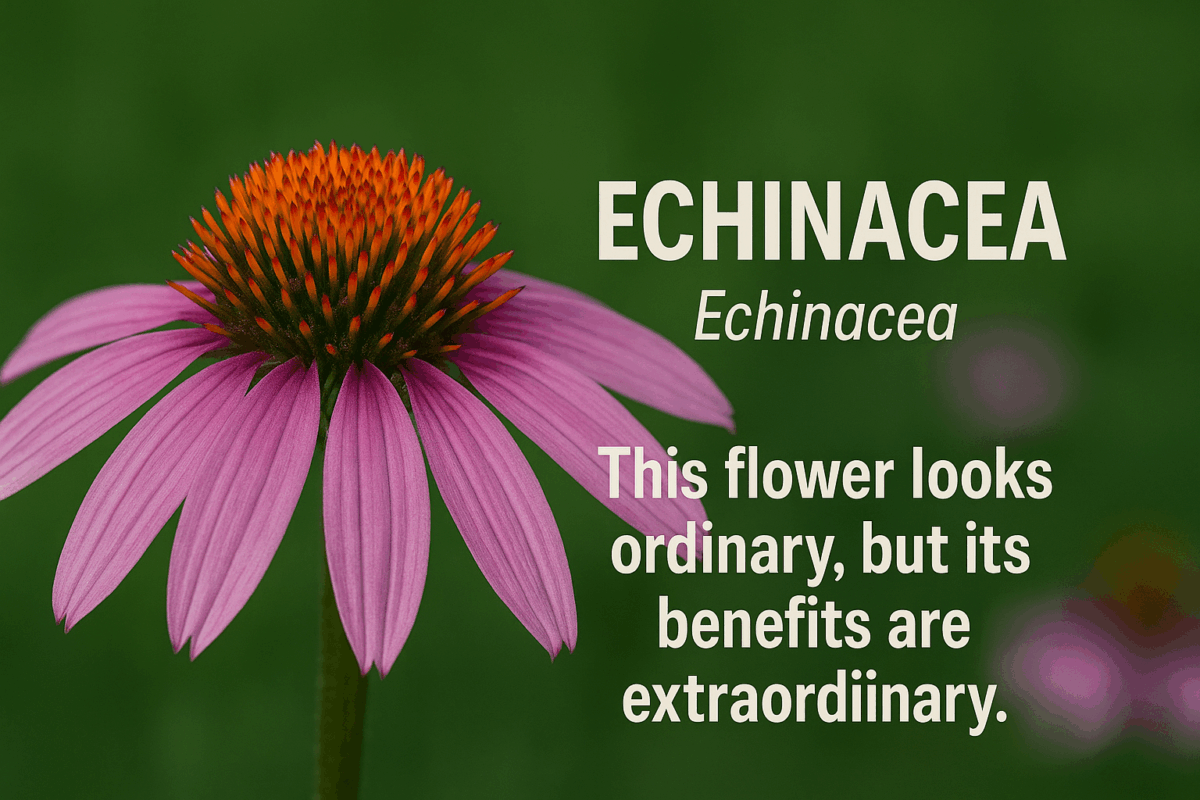
Botanical Description: Echinacea is a perennial herbaceous plant that grows up to 1.2 meters tall. It features large, daisy-like flowers with purple petals and a distinctive spiny central cone.
Where to Find in the Wild: Commonly found in prairies, meadows, and open wooded areas in its native range.
Can I Grow It in My Garden?: Yes, Echinacea is a popular ornamental plant that thrives in well-drained soil and full sun. It’s relatively easy to cultivate and attracts pollinators like bees and butterflies.(Banyan Botanicals, Wikipedia, Wikipedia)
Key Active Compounds
Echinacea contains several bioactive compounds that contribute to its medicinal properties:
Alkamides: These compounds have been shown to modulate immune responses and possess anti-inflammatory effects.
Cichoric Acid: A potent antioxidant that supports immune function and protects cells from oxidative stress.
Polysaccharides: Known to stimulate the immune system by enhancing the activity of macrophages and natural killer cells.
Health Benefits in Modern and Traditional Medicine
According to Modern Medicine:
Immune System Support: Echinacea may help reduce the risk of catching a cold and shorten its duration.
Anti-Inflammatory Properties: The herb has been found to decrease levels of pro-inflammatory cytokines, aiding in the reduction of chronic inflammation.
Skin Health: Topical applications of Echinacea extracts can improve skin conditions like eczema by enhancing skin barrier function. (EatingWell)
According to Traditional Medicine:
Taste and Nature: Bitter and cool
Meridian Channels: Lung and Spleen
Traditional Uses: Native American tribes utilized Echinacea for treating respiratory infections, wounds, and as a general remedy for various ailments. (Wikipedia, EatingWell)
Object of Use
Echinacea is commonly used for:
Preventing and Treating Colds: Taken at the onset of symptoms to reduce severity and duration.
Supporting Immune Health: Used as a general immune booster, especially during flu season.
Skin Conditions: Applied topically for issues like eczema and minor wounds.(Verywell Health)
Is it recommended for children? While some studies suggest benefits for children, it’s essential to consult a healthcare provider before administering Echinacea to minors. (NCCIH)
Safe Usage and Recommended Dosage
Common Usage Forms:
Fresh Form: Juice or infusion from fresh plant parts.
Dry Form: Capsules, tablets, or teas made from dried roots and aerial parts.
Extract Form: Liquid tinctures or standardized extracts.(Wikipedia, EatingWell)
Recommended Dosage:
Fresh Form: Consume 2.5 mL of fresh juice three times daily.
Dry Form: Take 300–500 mg of dried extract three times daily.
Extract Form: Use 2.5 mL of liquid extract three times daily, or up to 10 mL daily.(naturopathic.org, Healthline)
Usage Precautions:
Short-term use is generally safe; long-term effects are less studied.
Individuals with allergies to plants in the Asteraceae family should exercise caution.
Consult a healthcare provider before use, especially for pregnant or breastfeeding women and those with autoimmune conditions.(EatingWell, Verywell Health)
Comparison with Other Herbs
Herb Name
Main Benefit
Key Highlights
Echinacea
Immune system support
Reduces cold duration; anti-inflammatory
Goldenseal
Antimicrobial properties
Often combined with Echinacea for infections
Elderberry
Antiviral effects
Commonly used for flu and cold symptoms
Frequently Asked Questions (FAQ)
Q1: Can I take Echinacea daily for immune support?
A1: Short-term use is considered safe, but daily long-term use is not well-studied. It’s best used at the onset of symptoms or during periods of increased illness exposure.(Verywell Health)
Q2: Are there any side effects associated with Echinacea?
A2: Some individuals may experience mild side effects like gastrointestinal discomfort or allergic reactions. Those with plant allergies should be cautious.
Conclusion – Usage Recommendation
Echinacea offers potential benefits in supporting the immune system and reducing inflammation. While it’s widely used for preventing and treating colds, it’s essential to use it responsibly and consult healthcare professionals, especially for long-term use or when considering it for children.
Call to Action (CTA)
If you’re interested in natural ways to boost your immune health, consider exploring Echinacea supplements. For personalized advice and exclusive offers, leave your contact information or reach out to us today!



Leave a comment